Why Air Source Heat Pumps Are Gaining Traction in Wiltshire and Somerset
Understanding the Shift Toward Electric Heating
Over the past few years, I have seen a real shift in how homeowners in Wiltshire and Somerset think about heating their homes. The old reliance on oil or LPG boilers is slowly giving way to something quieter, more efficient, and increasingly cost-effective. What I am talking about is the growing interest in air source heat pumps. These systems have been common in Scandinavia for decades, but here in the South West they are only now starting to get the attention they deserve.
At first glance, an air source heat pump looks a bit like a large air conditioning unit mounted on an external wall. But what it does is fundamentally different. Instead of burning fuel, it uses electricity to move heat from the outside air into your home. Even when the temperature drops below zero, there is still enough thermal energy in the air for a well-designed system to extract useful heat. That is the basic principle, and it works surprisingly well in our relatively mild UK climate.
When people ask me whether air source heat pumps are a realistic option for their property, my answer usually depends on a few key factors: the age and insulation level of the house, the existing heating system, and their budget. But broadly speaking, for a well-insulated home with space for an outdoor unit and a hot water cylinder, the technology is now mature enough to be a serious contender.
What Makes a Good Heat Pump Installation
One thing I have learned over the years is that a heat pump is only as good as the system it connects to. You cannot simply replace a gas boiler with a heat pump and expect the same performance. The lower flow temperatures that heat pumps work best with mean the whole heat distribution system needs to be designed or adapted accordingly. That is where underfloor heating really shines. It runs at lower temperatures over a larger surface area, which suits a heat pump perfectly. If you have radiators, they may still work, but they often need to be oversized to compensate for the lower water temperature.

In my experience, a well-matched system will include a buffer tank to prevent the heat pump from short-cycling, especially in smaller properties or those with low heat loss. A buffer tank gives the system a bit of thermal mass, so the compressor runs for longer, more efficient cycles instead of constantly switching on and off. It is a small addition that makes a big difference to reliability and efficiency.
Controls also matter a great deal. A decent thermostat, properly zoned, can save a surprising amount of energy. Many modern heat pumps can communicate with smart thermostats and even link into a smart grid to run when electricity is cheaper or greener. That kind of integration is still early days in the UK, but it is coming.
Brands and Refrigerants: What to Look For
Over the last decade, I have installed and serviced systems from most of the major manufacturers. Mitsubishi Electric and Daikin are two names that consistently deliver reliable performance, especially in our variable climate. Their split systems are well-engineered and the support from their UK distributors is generally good. Samsung has also made some impressive strides with their monobloc units, which are simpler to install and tend to be quieter than some older designs.
Vaillant and Worcester Bosch are both well-known boiler manufacturers, and their heat pump offerings have improved noticeably in recent years. Worcester Bosch in particular has a strong reputation among local installers, and their units pair nicely with existing gas or oil systems in hybrid setups. Grant Aerona is another brand I see a lot of in rural properties, partly because their units are designed to work well with the sort of oversized radiators you often find in older farmhouses.
One technical detail worth mentioning is the refrigerant. Most modern heat pumps now use R32 refrigerant, which has a lower global warming potential than the older R410A. It is also more efficient at higher temperatures, which helps the system achieve better SCOP - the Seasonal Coefficient of Performance. That is the number you really want to look at on a datasheet. COP tells you the efficiency at a single operating point, but SCOP gives you a more realistic average over a whole heating season. A good SCOP for a UK installation is around 3.0 to 3.5, meaning for every kilowatt of electricity you put in, you get three or more kilowatts of heat out.
Practical Challenges and Common Misconceptions
No technology is perfect, and air source heat pumps have their quirks. The most obvious one is the defrost cycle. When the outdoor unit gets cold and the air is humid, frost can build up on the heat exchanger. The system then reverses its cycle briefly to defrost itself, which uses some energy and can cause a short drop in indoor temperature. In well-insulated homes, that drop is barely noticeable. But in a draughty property, it can feel uncomfortable.
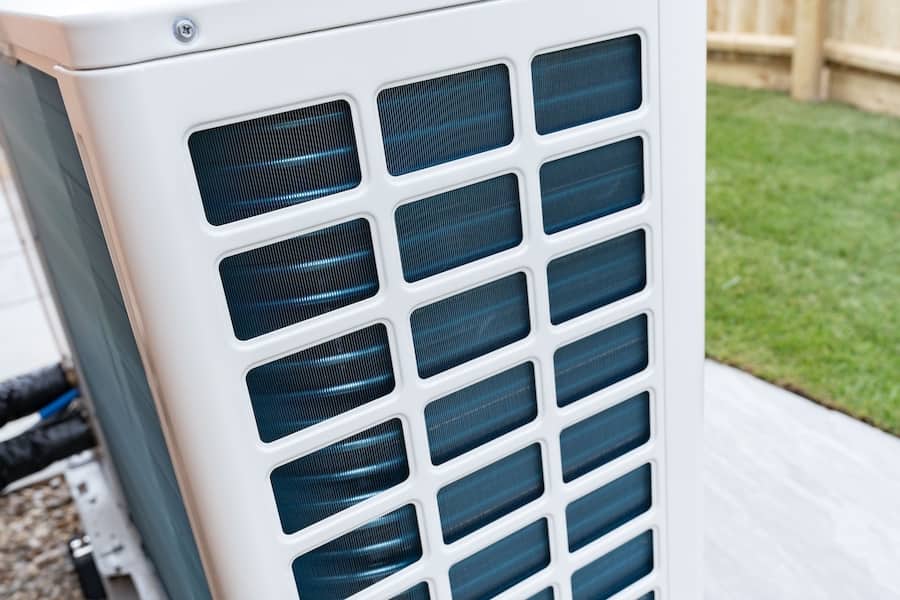
Another misconception is that heat pumps are noisy. Modern units, especially inverter-driven ones from the brands I mentioned, are significantly quieter than models from even five years ago. The outdoor fan noise is comparable to a fridge compressor. Still, placement matters. I always try to position the outdoor unit away from bedroom windows and neighbouring boundaries, and I recommend fitting an acoustic cover or a sound-absorbing base if the unit is close to a patio or seating area.
There is also the question of cost. A full heat pump installation, including the unit, hot water cylinder, buffer tank, and any necessary radiator upgrades, can run into five figures. That is a lot of money upfront. But the Boiler Upgrade Scheme now offers a grant of up to £7,500 in England, which brings the cost down significantly. For off-gas-grid homes in Wiltshire and Somerset, where heating oil can be expensive and volatile, the payback period can be surprisingly short. Some of my customers have seen their annual heating bills drop by 40% or more after switching from oil to a heat pump.
MCS Certification and the Installer You Choose
If you are planning to apply for the Boiler Upgrade Scheme, or if you want to qualify for the Renewable Heat Incentive (which is still paying out for legacy applications), your installation must be carried out by an MCS certified installer. MCS certification is not just a paperwork exercise. It means the installer has been assessed on their technical knowledge, their design skills, and their ability to size a system correctly. I have seen too many DIY or cowboy installations that fail because the heat pump was undersized, or the pipework was not properly insulated, or the controls were never set up.
A good installer will do a full heat loss calculation for your home. They will measure the fabric heat loss, check the air permeability, and look at the existing radiator sizes. They will also talk to you about how you use your heating. Do you like the house warm all day, or do you prefer timed bursts of heat? That matters for system design. A heat pump works best when it runs continuously at a low output, rather than cycling on and off like a boiler. So the controls and the buffer tank need to be configured to match your lifestyle.
What the Future Holds
I think we are only at the beginning of this transition. As the UK grid gets greener, the carbon savings from switching to a heat pump will only increase. The smart grid integration I mentioned earlier will allow heat pumps to soak up cheap, renewable electricity when it is abundant, and store that heat in the buffer tank or the fabric of the building. That sort of demand-side response is going to be crucial for balancing the grid as more wind and solar come online.

For now, if you live in Wiltshire or Somerset and you are thinking about replacing an old boiler, I would say do your homework, get at least three quotes from MCS certified installers, and ask specifically about the SCOP they expect for your property. A good installer will be happy to talk through the numbers. And if you are still unsure, there are plenty of homes in our area that now run entirely on air source heat pumps, and their owners are happy to show you how well it works.
The technology is proven. The grants are there. And for many homes, the running costs are genuinely lower than oil or LPG. It is not right for every property, but for the right property with the right installer, it is a solid investment in comfort and efficiency.